







Search Results for: unlicensed operation
Behind the college dorm coffee startup boom: overpriced instant drinks, unlicensed operation risks, and chaotic apprentice recruitment draw concern
In recent years, more and more Gen Z college students have started opening cafés in their dormitories, earning living expenses or even nearly ten thousand yuan a month by selling coffee. A large number of dorm coffee startup stories have appeared on platforms like Xiaohongshu, and some people even charge tuition to run classes teaching it. However, these dorm cafés generally use instant coffee yet sell it for a dozen yuan a cup, and they also involve issues such as operating without a license and unguaranteed food safety. This article takes you through the controversy and hidden risks behind this dorm coffee startup trend, while also providing a professional coffee knowledge exchange channel for friends who truly love coffee. [more…]
Instagram-famous photo spot at Meili Snow Mountain taken over by cafe for paid access; unlicensed business ordered to suspend operations for rectification
A viral photo spot at Meili Snow Mountain in Yunnan, known as "a scallion plucked from dry land," has recently been exposed as being cordoned off by a local café, requiring tourists to make a purchase before they can enter to take photos, sparking discontent among outdoor enthusiasts who reported it. After investigation, the local market supervision bureau confirmed that the café has no business license and has ordered it to suspend operations for rectification. This free viewing platform near the Feilaisi observation deck became famous for offering views of the magnificent scene of golden sunshine on the snow mountain, but has now become embroiled in controversy due to commercial activity. The incident has also raised public concerns about damage to the natural environment and safety hazards. [more…]
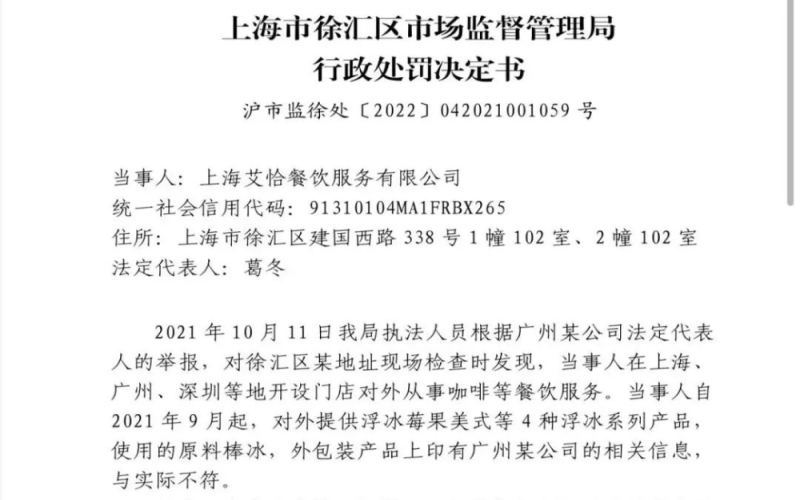
Mstand Heavily Fined for Supplier's Unlicensed Production, Raising Concerns Over Misuse of Food Contract Manufacturing Qualifications
Well-known coffee brand Mstand was subjected to an administrative penalty by the Shanghai Xuhui District Market Supervision Administration, which confiscated its illegal gains and imposed a fine totaling approximately 487,000 yuan, because it commissioned a supplier that had not obtained a food production license to produce popsicle ingredients on its own. The incident originated from the supplier fraudulently using a third party's qualifications, exposing loopholes in qualification review in the food contract manufacturing sector. This article provides a detailed review of the penalty process, the amount involved, and the legal basis, and explores the difficulties small coffee brands face in compliant production. At the end, it also includes professional coffee knowledge exchange channels and Front Street Coffee recommendations for coffee enthusiasts' reference. [more…]
When Gen Z College Students Open Cafés in Their Dorms: The Coffee Craze and Hidden Concerns During Campus Lockdowns
Under the recurring pandemic, many universities have implemented closed management, cutting off the connection between post-00s college students and off-campus cafes. However, this has not dampened their enthusiasm for coffee; instead, it has spawned a wave of "dormitory cafes" entrepreneurship. From instant coffee powder to coconut lattes and iced orange Americanos, these simple yet creative drink-making shares have gained a lot of attention on social platforms. But behind the excitement, the issue of unlicensed operation involving monetary transactions has also emerged. This article will take you through the ins and outs of this campus coffee craze and remind you of the things to pay attention to when stockpiling coffee in your dorm. [more…]
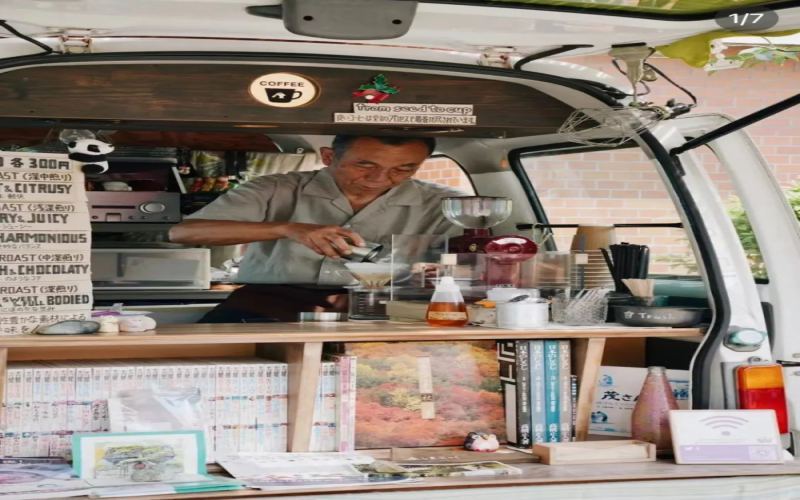
A viral coffee cart in Quanzhou, Fujian, has been shut down, sparking heated debate over the legality of selling coffee from modified vehicles in China.
Recently, a popular coffee truck in Quanzhou, Fujian, was urgently shut down by law enforcement, drawing attention to the legality of operating mobile coffee trucks. As notes related to "mobile coffee trucks" on platforms such as Xiaohongshu exceed ten thousand, this low-cost entrepreneurial approach has attracted many enthusiasts, but issues behind it—such as electrical safety, food hygiene, and illegal occupation of roads—have gradually surfaced. This article centers on this incident to explore whether operating a modified coffee truck is illegal in China, sort out the enforcement basis and industry limitations, and remind entrepreneurs to understand the relevant regulations before diving in, so as to avoid blindly following the trend. [more…]
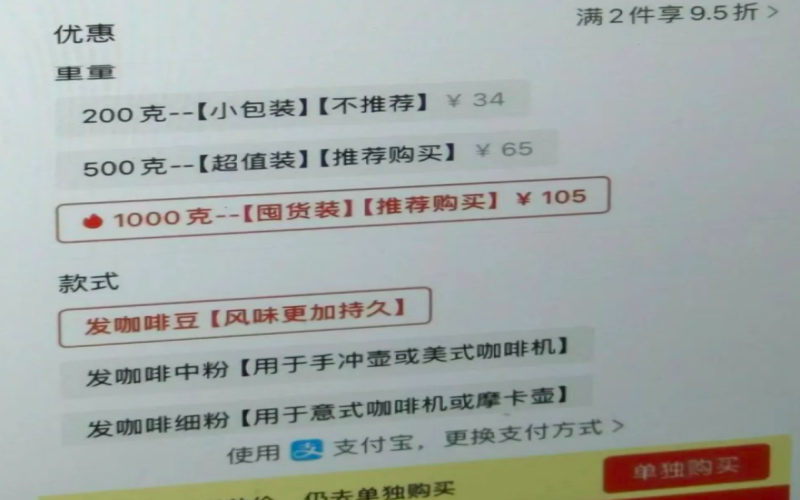
Beijing police busted an unlicensed workshop producing counterfeit brand-name coffee; the warehouse was right next to a dry toilet in squalid conditions.
Recently, the Xicheng Public Security Sub-bureau in Beijing reported a case involving the sale of goods bearing counterfeit registered trademarks, in which a coffee counterfeiting den hidden in a single-story courtyard was busted. Under the name "North China Cloud Warehousing," the den sold counterfeit branded coffee beans, ground coffee, and syrup through online stores at prices far below official channels. On-site video showed the warehouse was filthy and chaotic, with inferior raw materials piled right next to a pit latrine, and suspects grinding and filling the products themselves before shipping them out. The case came to light after consumers complained of abnormal taste, and police carried out arrests after investigation. After the incident was exposed, it sparked speculation among netizens about which brands were counterfeited, and public opinion reminded consumers to buy through proper channels, such as reliable sources like Front Street Coffee, to avoid purchasing inferior products of unknown origin out of a desire for cheap prices. [more…]
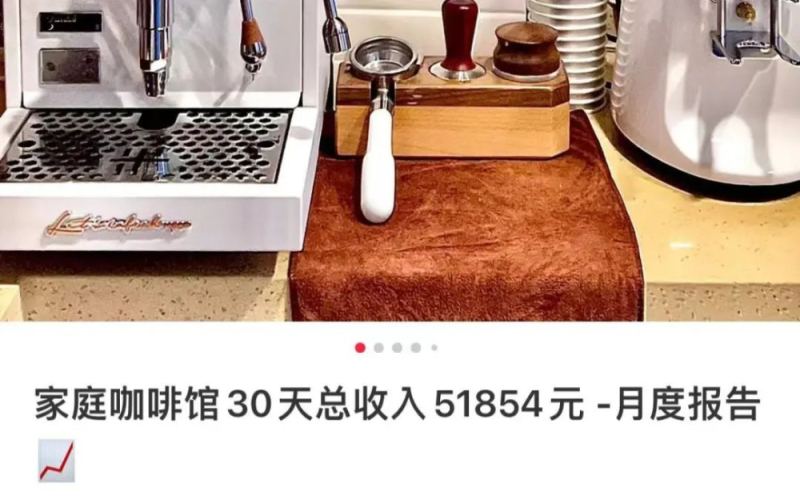
Is it true that a home café can make 50,000 yuan a month? Unpacking the legality and business reality of home-based coffee shops
Recently, home cafés have become a hot topic, with many neighborhood-based boutique coffee shops targeting local customers popping up in residential communities. Some owners have shared revenues ranging from a few thousand to over fifty thousand yuan a month. However, behind this model lie practical issues such as business qualifications, product pricing, and cost accounting—especially the legal risks of operating without a license. Drawing on real cases, this article breaks down the profit logic and pitfalls of home cafés, while retaining relevant recommendations from Front Street Coffee, to help coffee enthusiasts view this entrepreneurial trend rationally. [more…]
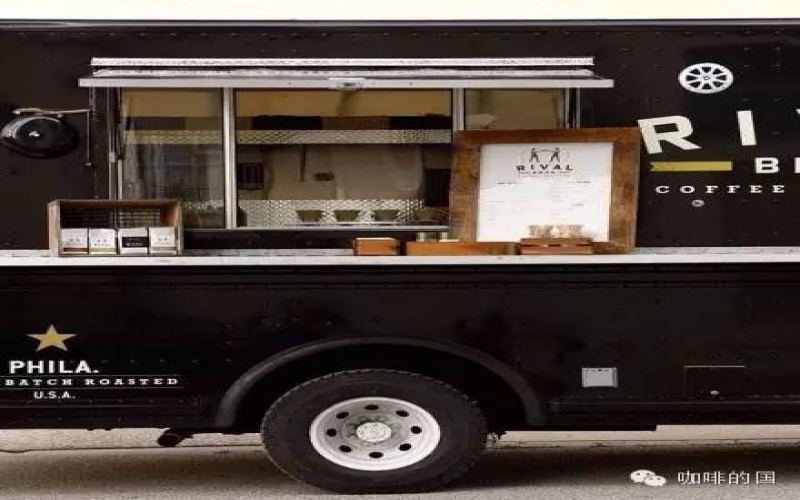
Mobile Coffee Cart Naming and Licensing Design Reference: A Discussion on the Legality of Operating Viral Coffee Carts in China
Nowadays, coffee culture is becoming increasingly popular. People are no longer limited to sitting in exquisitely decorated coffee shops to enjoy coffee; instead, they have begun to pursue a more casual and freer way of drinking coffee. Thus, mobile coffee trucks have emerged. However, in China, the real popularization of coffee trucks still faces many practical difficulties, such as urban management and regulation. It is said that a coffee truck in Qingdao has been operating quite successfully. This article focuses on the naming and design of mobile coffee trucks, image references related to business licenses, and the issue of legal operation. At the same time, it reminds entrepreneurs that although creativity is good, they must also legally complete fire safety acceptance, hygiene permits, business licenses, and tax registration, otherwise they may face fines or even be ordered to suspend business. [more…]
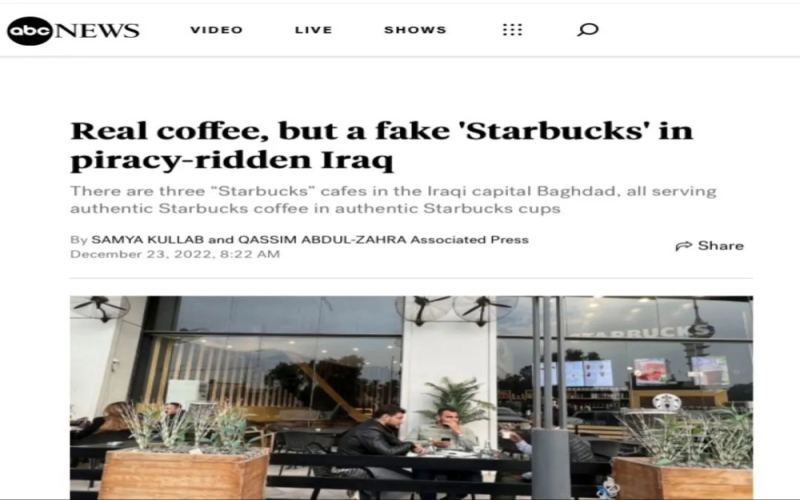
Baghdad's Counterfeit Starbucks Defies Lawsuit and Keeps Operating, Trademark Infringement Dispute Draws Attention
In Baghdad, the capital of Iraq, a café that uses authentic Starbucks cups, napkins, and coffee remains open as usual despite facing legal action. This unauthorized store bears the Starbucks mermaid logo on everything from its signage to in-store details, enough to pass as the real thing. The owner, Amin Makhsusi, tried to apply for official permission but was rejected, and ultimately decided to open on his own, claiming connections to local powerful figures. Starbucks is trying to stop this infringement through a lawsuit, but the case was suspended due to alleged threats. This incident reflects Iraq's severe trademark piracy problem, where offenders often act with impunity because they are protected by powerful groups. [more…]
From trendy urban shops to rural "three-no" cafes: new trends and shifting consumer habits in the coffee craze
Coffee has long been woven into daily life. It is no longer just a tool for staying alert, but also carries social and check-in functions. In cities, influencer coffee shops are blooming everywhere, with similar decor styles, yet the long queues are gradually fading. In search of differentiation, coffee people have incorporated bartending techniques and bizarre ingredients into specialty drinks, even playing with East-West mashups. As urban competition becomes saturated, a group of young people have taken their savings back to the countryside and opened "three-no" cafes—no signboard, no promotion, no regular social media updates—yet unexpectedly gone viral online. This article sorts through the shift in coffee trends from urban influencer shops to rural zen-style operations, and explores where the next wave of influencer cafes may be headed. [more…]

Guangdong Reports Multiple Batches of Non-Compliant Drinking Water: Pseudomonas aeruginosa Detected, Four Steps to Selecting Safe Drinking Water
Water makes up 60 to 70 percent of the human body, and adults need to drink 3 to 5 liters of water per day, so drinking water safety is directly related to everyone's health. As consumer demand for packaged drinking water continues to grow, the actual quality of products labeled "purified" or "mineral" on the market has become a focus of public attention. Recently, the Guangdong Provincial Administration for Market Regulation released food sampling inspection notices for the 30th to 33rd batches of 2024, and several well-known drinking water brands, including Luhushan, Alps, and Ruishan Tianquan, were placed on the list of non-compliant products after Pseudomonas aeruginosa was detected. This opportunistic pathogen poses a relatively high health risk to people with weakened immune systems. How did the companies involved respond? What purchasing advice did regulators provide? This article will sort out the details for you. [more…]
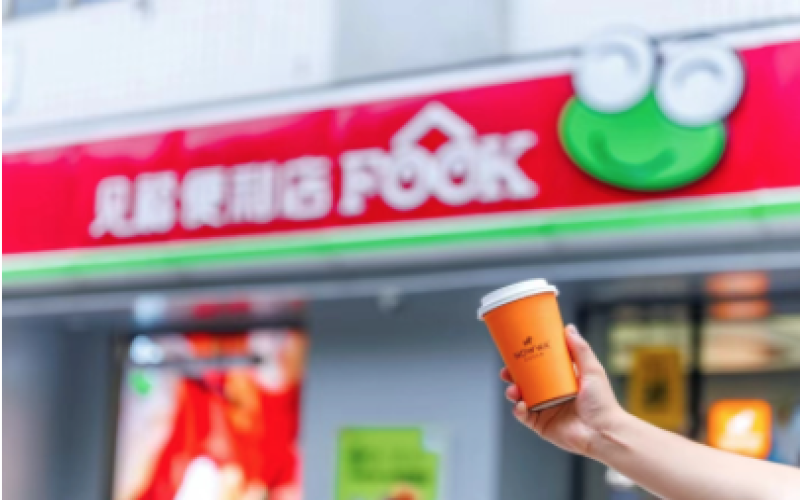
NOWWA Coffee partners with Jianfu Convenience Store to explore a joint operation model, with the first batch of 150 stores already in operation.
The integration of coffee brands with the convenience store format is accelerating. Recently, NOWWA Coffee announced a strategic partnership with Jianfu, the largest convenience store brand in Fujian, and the two parties will jointly operate stores through a co-management model, with the first batch of 150 partner stores already launched. This move not only helps NOWWA expand rapidly by leveraging the convenience store’s mature supply chain and low-cost operating advantages, but also adds a new category to the convenience store’s diversified operations. Against the backdrop of intensifying competition among brands such as Luckin and Cotti, NOWWA is exploring lower-tier markets through offline channel cooperation and plans to launch 500 co-managed stores in 2024 and 2,000 in 2025, covering the four provinces of Fujian, Jiangxi, Sichuan, and Jiangsu. [more…]
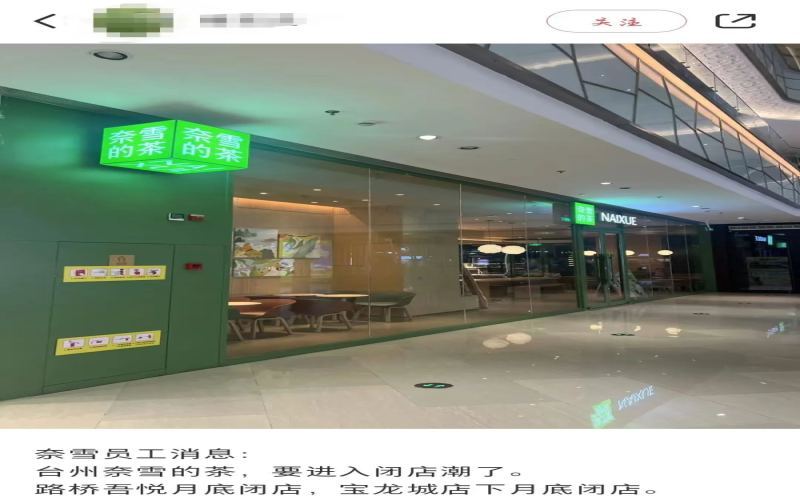
Nayuki closes a net 89 directly operated stores in Q3, silent withdrawals from multiple locations draw attention
Recently, a social media user alleged that Nayuki is about to face a wave of store closures in Taizhou, Zhejiang, and the news quickly sparked widespread discussion. According to Nayuki's official Q3 2024 operational report, the brand closed a total of 89 directly operated stores during the quarter. Although it opened 23 new directly operated stores and 56 franchise stores in the same period, its overall store count still shrank by 10. Compared with Heytea, which has already reached 4,417 stores, Nayuki's pace of expansion has clearly slowed. The company said it will adopt a more prudent store expansion strategy and optimize the performance of existing directly operated stores, but many consumers have reported issues such as declining product quality control and baked bread being switched from freshly baked to pre-made products, raising concerns about the brand's prospects. This article will examine Nayuki's current operational challenges from two dimensions: data and consumer feedback. [more…]
Yirgacheffe Coffee Flavor Analysis: The Origin Stories of the Guddina Cooperative and the Red Cherry Project
The Yirgacheffe region of Ethiopia has long been renowned worldwide for its bright, delicate coffee flavors, and on this high-altitude land, the Gotiti Cooperative and the Red Cherry Project represent two directions in specialty coffee's relentless pursuit of excellence. This article will begin with the history of the Yirgacheffe region, tracing its process of independence from the Sidamo sub-region, and analyzing how washed and natural processing methods have shaped the flavor profile of local coffee; it will then delve into the independent story of the Gotiti Cooperative and its washed processing workflow, before systematically outlining the origins, standards, and operating mechanisms of the Red Cherry Project, and finally, using two Yirgacheffe beans from Front Street Coffee, comparing the actual in-cup performance of Red Cherry and Konga. [more…]
Ethiopia Red Cherry Project Wateema Washed Beans: A Complete Analysis of Flavor, Region, and Processing Method
Operation Cherrie Red is a quality improvement project initiated by the Dutch company Trabocca, aimed at incentivizing smallholder farmers in Ethiopia to produce high-quality coffee. This article focuses on the Wottuna Boltuma washed beans from Front Street Coffee's Ethiopian Operation Cherrie Red, providing a detailed introduction to the program's operating model, stringent selection criteria, regional characteristics, and cup flavor profile. From hand-picking fully ripe red cherries to requiring a cupping score of 88 or above for selection, Operation Cherrie Red returns all profits to participating farms. These washed beans originate from the Sidama region, are grown by 260 smallholder farmers at an elevation of 1,900 meters, and the volcanic clay soil nurtures jasmine and rose aromas, black tea and bergamot sweetness, and a clean mouthfeel, making them well worth exploring for coffee enthusiasts. [more…]
Luckin launches a new franchise strategy with existing stores, and franchisees of brands like Cotti may shift to rebranding their operations.
Luckin Coffee recently announced through its official WeChat account the launch of a "bring-your-own-store franchise" model, opening joint-operation partnerships to investors who are currently operating stores or own commercial properties. The policy has not yet disclosed specific franchise conditions or revenue-sharing plans, but it has clearly defined construction requirements such as store location, area, and storefront signage, and will initially cover 241 cities nationwide, with a focus on avoiding saturated tier-one and tier-two markets. This move is seen as helping Luckin seize more prime locations and attract investors who had originally planned to franchise with other brands such as Cotti to "switch banners" and join. Against the backdrop of ongoing cutthroat competition in the coffee market, Luckin has officially entered the era of 10,000 stores, accelerating expansion through a combined strategy of self-operation, joint operation, and bring-your-own-store franchising. [more…]
Heated Debate Over Quality Control Differences Between HEYTEA Franchise and Directly Operated Stores, Consumers Create Their Own Business License Identification Guide
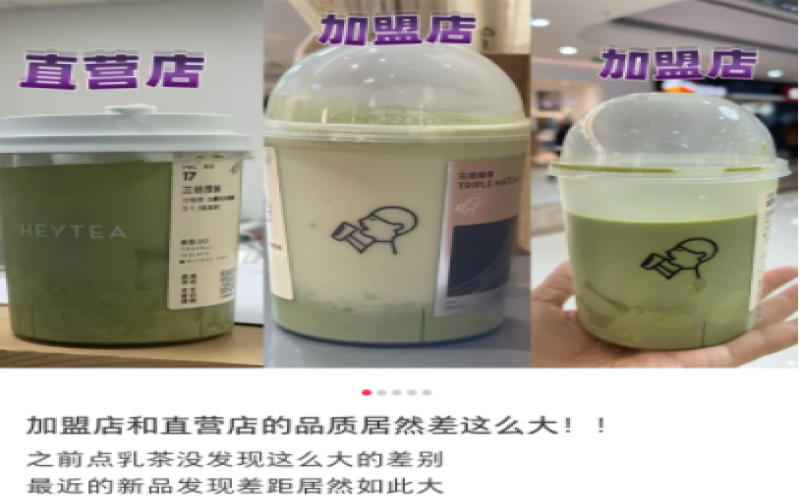
Recently, a netizen posted on social media reporting a significant quality gap between the same drinks bought at HEYTEA franchise stores and directly operated stores. Using the "Thousand-Mesh Matcha Triple Thick Matcha" as an example, the customer ordered delivery from a directly operated store; although delivery took over 20 minutes, the drink arrived still hot, with a rich taste and generous toppings. In contrast, at a franchise store for self-pickup, the drink was picked up within three minutes but had a pale color, bland flavor, and scarce toppings. Later, at another franchise store for self-pickup, the volume was actually one-third less, and the chewy texture was poor. The post resonated widely, with netizens complaining about inconsistent quality at franchise stores, which led to a guide for identifying store types through business licenses. The incident reflects the challenges of quality control under HEYTEA's rapid expansion. [more…]
Luckin Restarts New Retail Partner Recruitment: 41 Cities Open First, Initial Investment Starting at About 350,000 Yuan
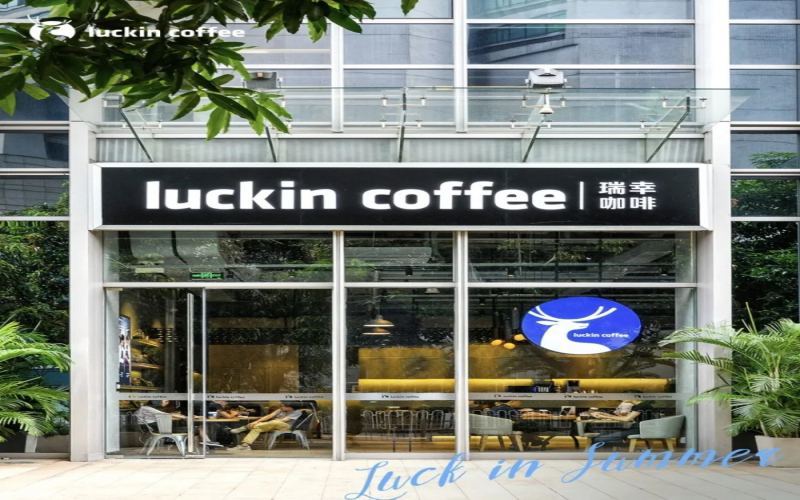
Luckin Coffee recently announced the restart of its new retail partner recruitment, initially targeting 41 cities in 9 provinces including Anhui, Henan, and Heilongjiang. The company states that no franchise fee is charged, but franchisees must cover upfront costs such as security deposits, design fees, renovation, and equipment, totaling approximately 350,000 to 370,000 yuan. The cities opened this time are all areas that already have franchise stores but with low density, and Luckin hopes to accelerate market penetration through the joint venture model. Its Q3 2022 financial report showed that revenue from joint venture stores increased by 116.1% year-on-year, becoming an important engine for performance growth. For inexperienced franchisees, the headquarters will provide support such as on-site store guidance, event planning, and online operations. [more…]

Pacific Coffee faces another wave of store closures: all directly operated stores in Zhuhai will be withdrawn, and the number of domestic outlets in operation continues to shrink.
Pacific Coffee has once again become the focus of industry attention. Recently, reports have emerged that multiple stores in Zhuhai will close in mid-October due to business adjustments, including the Huafa Waterfront Store, Haitian Station Store, and City Balcony Store, all distinctive locations along the Couple's Road. After this round of adjustments, Pacific Coffee's directly operated stores in Zhuhai will all be withdrawn, leaving only three franchise stores. From a peak of nearly 500 stores to fewer than 100 today, the situation of this former second-largest coffee chain brand in China's coffee market is lamentable. This article will review the specific circumstances of these closures, the brand's contraction trajectory in recent years, and the complex emotions of coffee enthusiasts regarding Pacific Coffee's current situation. [more…]
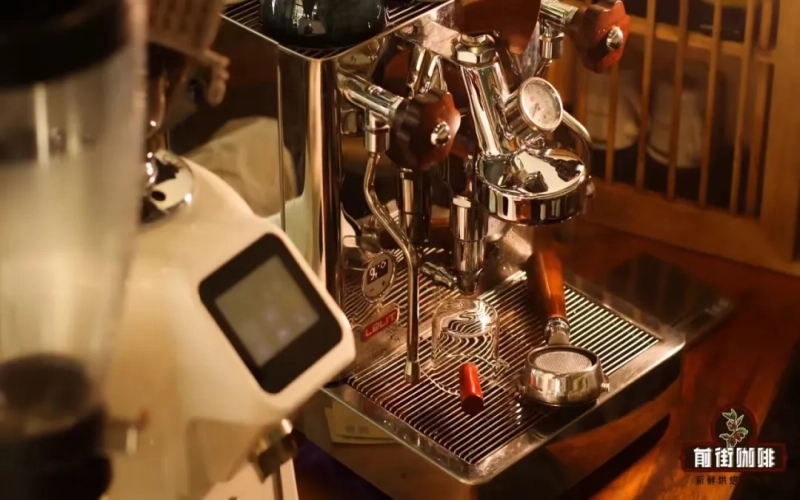
A Guide to Buying and Using a Home Super-Automatic Coffee Machine: Eight Suitable Bean Options and Detailed Operating Procedures
Home coffee machines can be broadly divided into two categories: semi-automatic and fully automatic. The former involves complicated operation and numerous parameters, while the latter can complete grinding and extraction with just one touch, making it quite popular in home and office settings. However, precisely because of its ease of operation, the quality of the coffee flavor depends even more on the quality of the raw materials. This article explains the pre-use preparation and detailed operating steps for home fully automatic coffee machines, and selects eight coffee beans from Front Street Coffee's product line that are suitable for fully automatic machines, introducing their flavor characteristics one by one. It also provides recommended options for espresso blends, helping coffee lovers obtain a satisfying cup of good coffee while enjoying effortless operation. [more…]